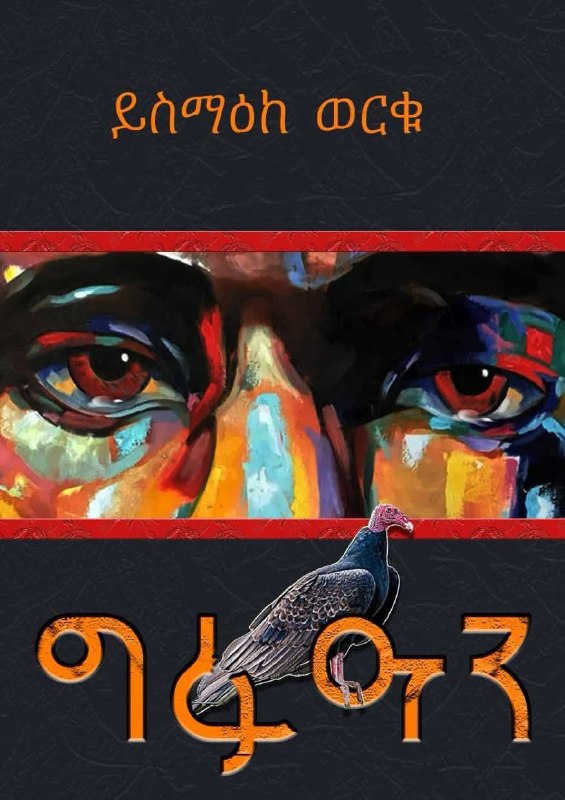
ቅምሻ
By author Yismake Worku.
‘Gefuan’ is a novel about the wound of history, the pain of humanity, and an unforgettable story of truth. It is not merely fiction — it is a novel grounded in real history, written on the basis of research.
Gefuan is built around the oppression and massacre carried out against the Amhara people. It focuses on human life, memory, sorrow, and the search for justice. This book does not tell history through numbers and years alone; it shows history through human lives. Behind every page lie people’s lives, family memories, testimonies of injustice, and a question that never fades.
Who will speak for the forgotten? Author Yismake Worku leads the reader, through the art of the novel, into this heavy historical question. As you follow the story, you do not merely look at the events of yesterday — you meet today’s identity and the responsibility of remembering tomorrow. Gefuan is an unforgettable story. It is a question that will not close.
Gefuan is not just for lovers of history; it is a novel every reader who thinks about humanity, justice, and memory should read.
Gefuan is more than a novel — author Yismake Worku did not let the times he lived in, nor the oppressed people, pass unnoticed. Indeed, Gefuan is the voice of an oppressed people. Within the course of history, the oppression and injustice that befell the Amhara people is told in many forms: displacement from home and country, separation from family, exile, and death in cruel circumstances. Yet heavier than the injustice itself is one question: what becomes of the injustice when it is forgotten? When the names of the dead are forgotten, when the stories of the displaced are lost, when the pain of broken families is passed over — injustice begins again. Because forgetting is the most dangerous gift we give to injustice.
‘Gefuan’ stands as a literary testimony that this must not be forgotten, and must never happen to any society again. In raising the injustice endured by the Amhara people, the book is not a call to hatred; it reminds us of the responsibility to record history so that wrong done by man to man is not repeated. To remember the wounded is not to hate another — it is to stand for truth, for justice, and for human dignity. An unforgettable story. Gefuan! A novel that remembers the oppressed, asks after the forgotten, and invites the reader to think about justice.
Join the discussion